


Pros and Cons of Private Reserve Banking Account?
6 Pros of a Private Reserve Bank Account and why it Could be a Game Changer for You
Private Reserve Account can be a powerful financial strategy for the right person—but it is not a shortcut, a guaranteed investment return, or a fit for every household. At its core, the Private Reserve Account Concept uses a properly designed participating whole life insurance policy to build cash value that can be accessed through policy loans. Supporters value the control, liquidity, tax advantages, and long-term legacy potential. Critics point to the high premiums, slow early growth, complexity, and need for disciplined long-term funding. This guide breaks down the six biggest pros and six biggest cons so you can decide whether Private Reserve Account deserves a closer look in your financial plan.
What Is Private Reserve Account?
Private Reserve Account is a personal finance strategy built around a specially structured whole life insurance policy. Over time, your premiums help build cash value inside the policy. Once available, that cash value can be used as collateral for policy loans, giving you access to capital without relying on a traditional bank loan, credit approval, or a fixed repayment schedule. The goal is to create a source of private reserves that can support emergencies, business opportunities, debt payoff, major purchases, or retirement income planning.
6 Pros of Private Reserve Account
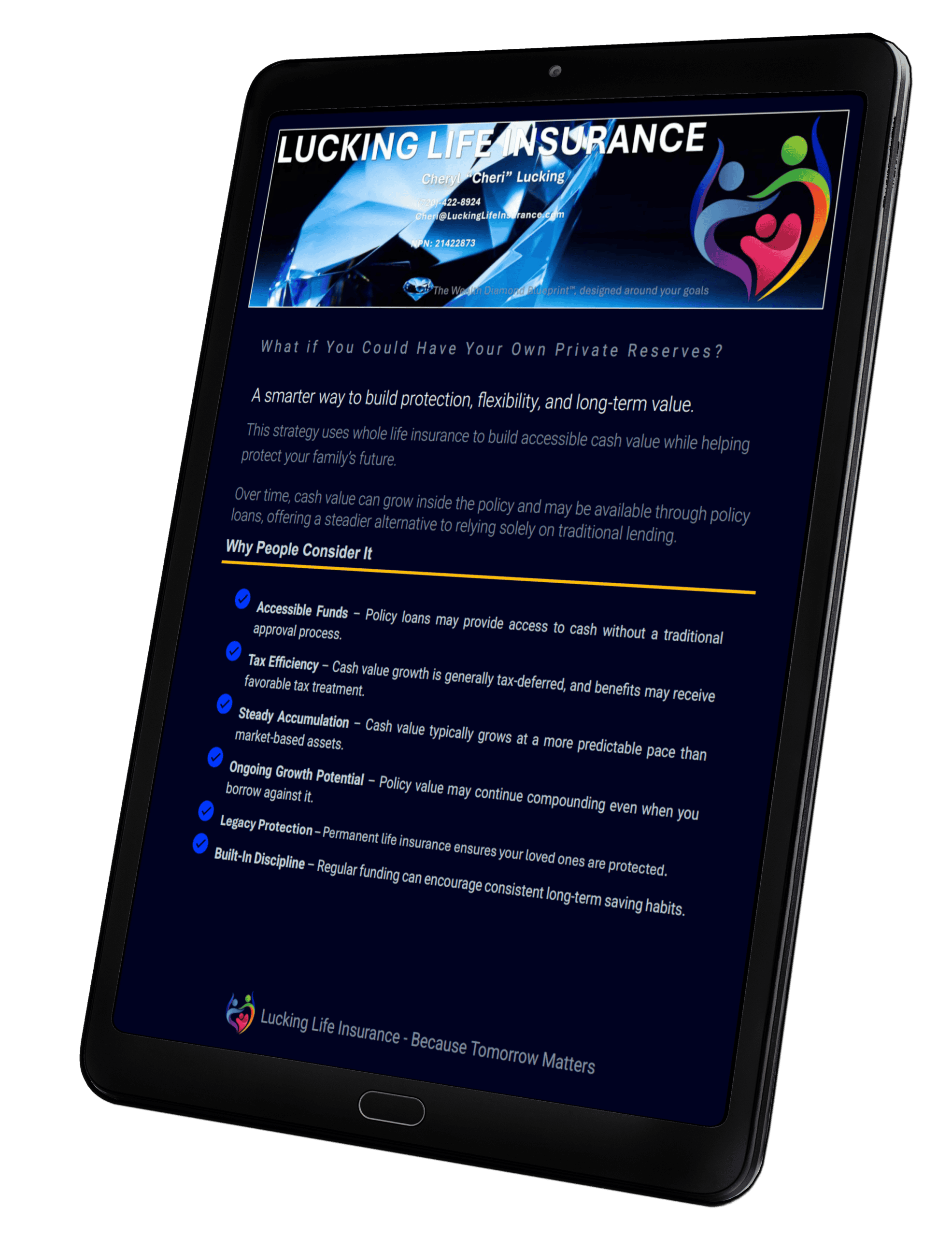
- Liquidity and control of capital. Policy loans can provide access to cash value without a credit check, bank approval, or a required repayment timetable. This can create flexibility for emergencies, investments, business needs, or paying off higher-interest debt.
- Potential tax advantages. Cash value grows tax-deferred, policy loans are generally not treated as taxable income when the policy is managed properly, and the death benefit is typically paid income-tax-free to beneficiaries.
- Guaranteed growth plus potential dividends. Participating whole life policies include guaranteed cash value growth and may also receive dividends, depending on the insurance carrier’s performance. This can provide stability because growth is not directly tied to stock market swings.
- Continued compounding while borrowing. When you borrow against the policy, the policy’s cash value may continue earning according to the policy terms. This is one of the key reasons people use Private Reserve Account to finance purchases while maintaining long-term growth potential.
- Legacy and protection. Whole life insurance provides a permanent death benefit that can support family protection, estate planning, business succession, charitable giving, or long-term legacy goals.
- Built-in savings discipline. Premium payments create a structured savings habit. For people who want a long-term system for building reserves, this discipline can be a major advantage.
IS A PRIVATE RESERVES ACCOUNT RIGHT FOR YOU?
Take Control of Your Money and Build a Legacy…
6 Cons of Private Reserve Account
- It requires a long-term commitment. Private Reserve Account works best over many years or decades. It is generally not ideal for people who need quick returns or short-term liquidity from day one.
- Premiums can be high. Properly designed whole life policies often require consistent funding. If premiums strain your budget, the strategy can become stressful or unsustainable.
- Early cash value may be limited. In the first several years, cash value can be lower than total premiums paid because of insurance costs, policy expenses, and design structure.
- Policy design matters. Not every whole life policy is built for Private Reserve Account. The wrong design can reduce liquidity, slow cash value growth, or make the strategy far less effective.
- Loans are not free money. Policy loans charge interest. If loans are not managed carefully, they can reduce the death benefit, create policy strain, or cause tax issues if the policy lapses.
- There is a learning curve. Private Reserve Account requires education, discipline, and ongoing management. It should be reviewed with a qualified professional who understands both life insurance and long-term cash flow planning.
Infinite Banking with Debt-Free Life solutions?
Is Private Reserve Account Right for You?
Private Reserve Account may be worth exploring if you have stable cash flow, a long-term mindset, a desire for more control over financing decisions, and a need for permanent life insurance. It may not be a good fit if you are focused on short-term returns, need every dollar fully liquid immediately, cannot commit to premiums, or are mainly looking for market-like investment performance.
Next Step: Get a Personalized Review
Before starting a Private Reserve Account strategy, review your goals, cash flow, existing coverage, debt, risk tolerance, and time horizon. A properly structured policy can be a flexible long-term tool, but the details matter. Speak with a knowledgeable life insurance professional to determine whether Private Reserve Account aligns with your financial plan.
Because Tomorrow Matters
Seek advice from an insurance or tax professional, like Cheri Lucking at Lucking Life Insurance. Working with a qualified professional can help ensure your Infinite banking policy is structured correctly and that common errors affecting tax benefits are avoided.

Get You Personal Reserve Account Solutions
Lucking Life - Protecting What Matters Most to You
What if This could Benefit You?
Give Me a Call 720-422-8924
Let’s Chat – No Pressure, Just Peace of Mind
“Most families and businesses I speak with are surprised by The Game Changer, created by Infinite Banking or Debt-Free Life Solutions, when combined with an Insurance Plan that contains an Indexed Linked Universal Life Policy with a Whole Life Insurance policy.
The extraordinary result is the Next Generation
of
Infinite Banking or Debt-Free Life Solutions
Let’s take 15 minutes to review your options—no obligations, just information that can help lower your debt, create and protect your legacy.

CHERI LUCKING, CEO
Related Services Links
- Your Life - Debt-FREE Life
- Your Life - Infinite Banking
- Your Life - A Plan for Business
- Your Goals - Enhance your wealth
- Your Goals - Protect Your Family ▪️ Mortgage Protection
- Your Goals - Financial Independence - Save Enough to Meet Your Needs
- Your Future - Ensuring Your Retirement Security
- Your Future - Ensure the Long-term Care We Need
- Your Future - Final Expense Life Insurance
Disclaimer: This content was generated using AI and Human Verification.

Article Author:
Cheri Lucking, CEO of Lucking Life Insurance, and Peter Lucking, Co-author/Web design, CEO, Content Branding Solutions
“Lucking Life Insurance is for Families looking for Mortgage Protection, Life Insurance, Retirement Income, Medical, Medicare Supplement policies, and Healthcare Plans to: Protect the ones you love – With Life Insurance Plans that are as unique as you.” – Cheri Lucking
Cheri Lucking Bio:
She is a published author and has held various roles in advertising, marketing, communications, sales, distribution, and product branding and development. Cheri lives with her husband, Peter, and their dog, Coco. Cheri enjoys cooking, gardening, hiking, and wine, although not always at the same time. She loves music and is an avid reader,
She would tell you, “I cannot live without eBooks.” Cheri agrees but would add cheese, the Food Channel, and nature to that list.